
In the bustling cities of Kathmandu, Bhaktapur, and Lalitpur, water is our most precious resource. We use it for everything—from our morning tea and cooking dal bhat to bathing and washing our clothes. However, most homeowners in Nepal overlook the very place this water is stored: the water tank.
Whether you have an underground concrete tank or a black plastic overhead tank, if it hasn’t been professionally cleaned in the last six months, it is likely a breeding ground for disease.
Here are the 5 hidden health risks lurking in your uncleaned water tank and how you can protect your family.
1. Bacterial Outbreaks (E. coli & Salmonella)
Stagnant water, especially in the heat of the Kathmandu sun, becomes a petri dish for bacteria. Seepage from the ground or bird droppings on overhead tanks can introduce E. coli and Salmonella. These are the leading causes of severe diarrhea, stomach cramps, and typhoid—common issues that many families mistake for “outside food” poisoning.
2. Algae and Toxic Mold
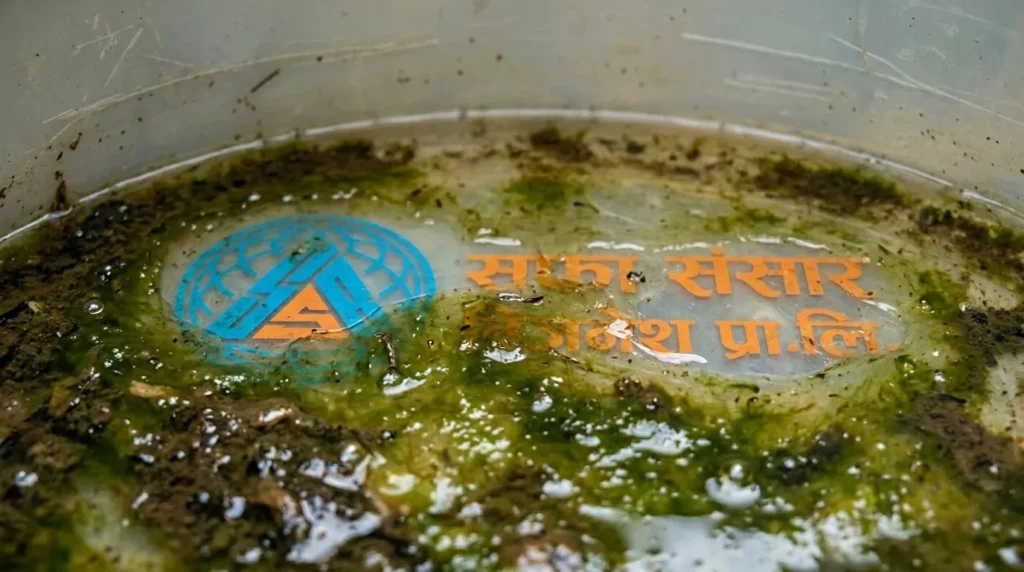
Have you noticed a greenish tint or a slippery feel on your bathroom tiles? That is algae. When algae grows inside your tank, it produces toxins that can cause skin rashes, eye irritation, and even respiratory issues when the water is turned into steam during a hot shower.
3. Heavy Sediment and Heavy Metals
The water supplied in the Valley often carries high levels of silt, sand, and iron. Over time, this settles at the bottom of your tank as “sludge.” This sludge doesn’t just block your pipes; it can harbor heavy metals and rust that are harmful if accidentally ingested or used for brushing teeth.
4. Breeding Ground for Mosquitoes (Dengue Risk)
An unmaintained tank with a loose lid or accumulated organic matter is the perfect nursery for mosquitoes. With the rising threat of Dengue in Nepal, a dirty water tank is not just a plumbing issue—it is a community health hazard.
5. Foul Odors and Hair Fall
If your water has a “metallic” or “earthy” smell, your tank is overdue for a scrub. Furthermore, the high bacterial and mineral content in dirty tanks is a major contributor to excessive hair fall and dry skin among residents in Kathmandu.
Why a “Regular Laborer” Isn’t Enough
Many households hire local laborers to scrub the tank with a simple brush and a bucket. This is dangerous and ineffective:
- Chemical Residue: Using household bleach or cheap detergents can leave toxic residues in your drinking water.
- Incomplete Cleaning: Manual scrubbing cannot reach the microscopic pores where bacteria hide.
- Safety Risks: Underground tanks often have low oxygen; professional gear is required for safety.
The Sapha Sansar 6-Step Scientific Cleaning Process
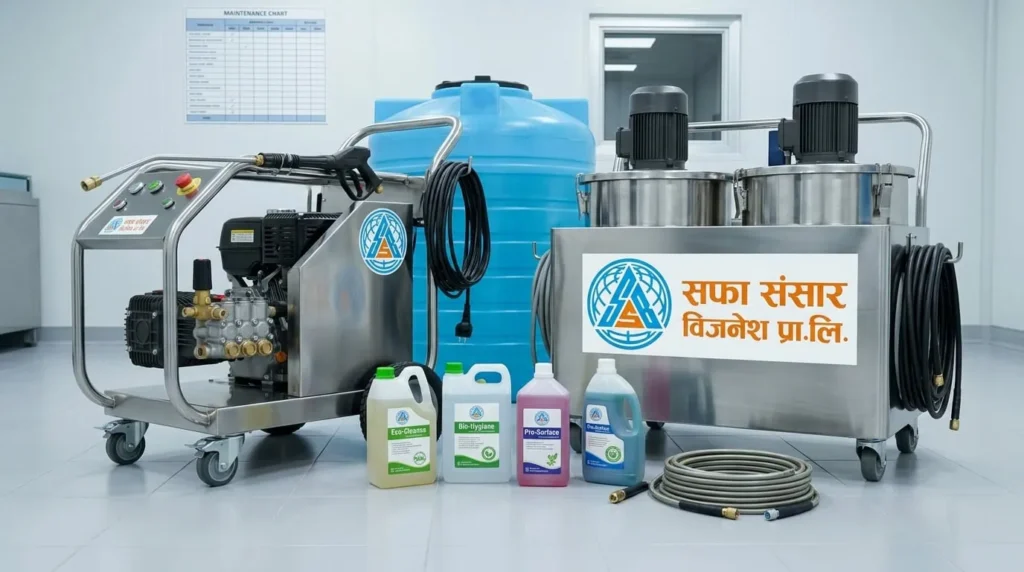
At Sapha Sansar Business Pvt. Ltd., we don’t just “wash” your tank; we sanitize it using modern machinery:
- Dewatering: We pump out the dirty water and sludge using high-power submersible pumps.
- Sludge Removal: Specialized vacuums remove the thick layer of mud from the floor.
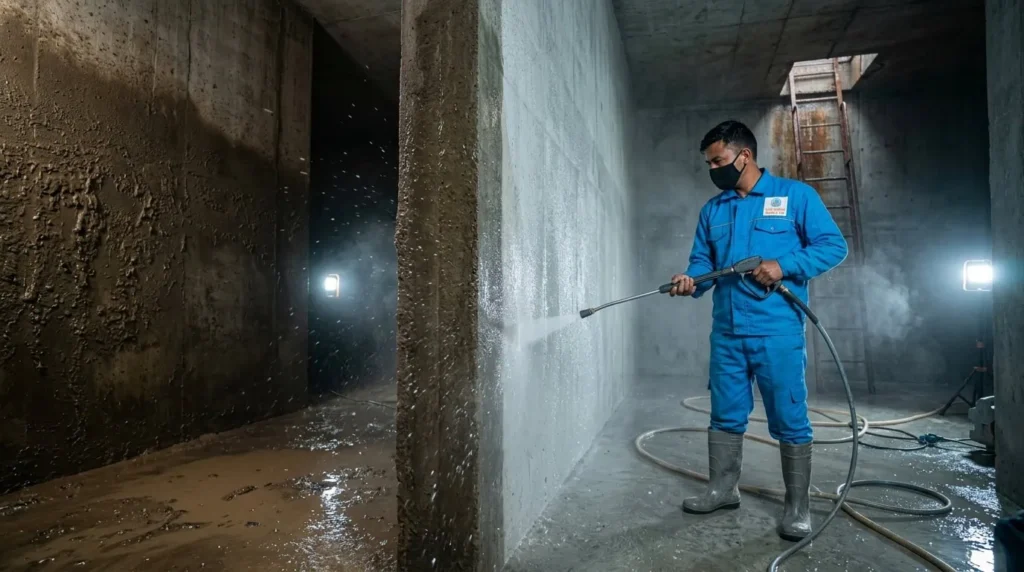
- High-Pressure Cleaning: We use industrial pressure washers to strip away algae and calcification from the walls.
- Vacuuming: A final vacuum ensures no debris or sand remains.
- Anti-Bacterial Spray: We apply WHO-approved, food-grade disinfectants to kill 99.9% of germs.
- UV Radiation (Optional): For total sterilization, we use UV lamps to eliminate any remaining invisible bacteria.
Pricing & Service Areas
We believe hygiene should be affordable. Our water tank cleaning rates are the most competitive in the Valley:
- Underground Tank: 50 Paisa per Liter
- Overhead (Top) Tank: Rs. 1 per Liter
Serving All Locations: Kapan (Milan Chowk, Akashdhara, Baluwakhani), Tinkune, Airport, Tusal, Lokanthali, and Bhaktapur.
Conclusion: Take Action Today
Don’t wait for a family member to get sick before you look inside your water tank. A clean tank means a healthy life.
- Ready for a Free Inspection?
- Call/WhatsApp Us: 976-5971560 / 9806393460
- Visit us: Divyeshowri Planning, Bhaktapur
- Website: www.safasansar.com


